
Hockey Diversity Alliance
Case Study
PRL 315: Public Relations Research
In Fall 2025, I took Public Relations Research with Dr. Joon Soo Lim. Throughout the course, we learned research concepts and applied them to a case study on the Hockey Diversity Alliance. This involved conducting secondary research, compiling a social media analytics report, and administering a survey that was used to write a final report.
SECONDARY RESEARCH REPORT
Overview
In June of 2020, the Hockey Diversity Alliance (HDA) was founded in response to public unrest after the murder of George Floyd. The organization aimed to “foster inclusivity, combat discrimination and advance diversity within the hockey community” (Hockey Diversity Alliance, 2020). Created by eight past and present professional hockey players, the organization’s goal is to drive positive change and promote equity throughout the community. Focusing on including people of color, a demographic that has been historically overlooked in the sport, is extremely important to the HDA. The organization is independent of the National Hockey League (NHL), although the initial intent during its creation was to work alongside the league (Wyshynski, 2025).
However, the HDA decided to part ways with the national league in October of 2020. During the organization's appearance at the 2020 Stanley Cup Playoffs, Matt Dumba, a founder of the HDA and a Minnesota Wild Player, hosted a postseason conference that included a speech against racial injustice. He also took a knee during the U.S. national anthem, while adorned in his HDA sweatshirt (Wyshynski, 2025). Along the progression of the organization and the correspondence with the NHL, the HDA believed that the league had been acting performatively. Due to the NHL’s decisions to brush past more dire issues in the community, the HDA separated itself permanently from the league (Canadian Press, 2020).
Despite having once acquired thousands of supporters, the HDA's support and publicity slowly began to wane as the years passed. However, the organization continued with its efforts, conducting its first successful and free youth hockey clinic in Toronto in 2022. The program lasted for roughly 24 weeks and accepted children ages 6 to 15. After several programs, the organization has served over 1,500 children, approximately 50 of whom have moved on to mainstream, competitive hockey (Wyshynski, 2025). The organization intends to continue with its program and allow more opportunities for marginalized children.
PR Problem
In June of 2020, the HDA was established with the intent of making a big impact in the hockey diversity landscape. When the Black Lives Matter movement took off, it made the HDA largely popular due to its overall mission and purpose. Since 2020, however, various other organizations with similar missions have joined the market. These organizations cause oversaturation, making the HDA’s overall impact on their publics drop. Furthermore, the diversity market in general is shrinking due to the Trump Administration’s supposed “crack down” on Diversity, Equity and Inclusion (DEI), which causes national and international unrest around DEI policies and their effectiveness. The mix of both the DEI market shrinking and additional diversity-focused non-profits has made it difficult for the HDA to maintain its sponsors, impact and media coverage.
With increased competition from other hockey-centered non-profits such as Growth Opportunities through Athletics, Learning and Service (GOALS), Hockey is For Everyone (HIFE) and You Can Play, the HDA has struggled with overall retention and recognition by hockey fans around the country. The non-profit hockey market was already small after the BLM movement in 2020, and the creation of these new organizations has only made it smaller and more difficult for the HDA to have a solid impact. The problem focuses on independence as an organization, with wide-ranging support from hockey fans in separation from the NHL, as well as financial stability.
The HDA’s support and sponsorships have also dropped in the past few months due to the current United States Federal Administration’s elimination of Diversity, Equity, and Inclusion (DEI) language and programs in various agencies and institutions (Goldstein, 2025). This erasure of DEI by the United States’ Federal Agencies has caused a pullback from industry support in DEI-centered programs in both the U.S. and international institutions. The HDA, being a diversity-centered non-profit, has faced a wide range of pushback from its primary sponsors who fear losing money and fans from the use of DEI language (Wyshynski, 2025). While public sentiment has overall stayed relatively positive for the HDA, corporations and businesses are much more wary of supporting DEI causes out of fear of financial penalty from the U.S. Government or loss of support from other, more right-leaning governmental bodies (McKenzie, 2025). With sponsors dropping due to DEI, the HDA has not only lost corporate support but also funding and media representation, as paid and owned media have become increasingly more difficult for the organization to maintain.
The overall rise in competition, erasure of DEI language, lack of support from sponsors and depleting fanbase and brand recognition have created a PR problem centered around the core values of the HDA and their public impact and media representation.
Communication Audit
The HDA has a moderate social media presence. They average about one post a week on Instagram, which is where they reach their younger audiences, including Generation Z and Millennials (Hockey Diversity Alliance, n.d). The organization also averages one post a week on Facebook, which may be reaching an older audience, including Generation X and Boomers (Hockey Diversity Alliance, n.d). The HDA is also active on LinkedIn and has an X account, but does not frequently post (Hockey Diversity Alliance, n.d). Lastly, the HDA’s TikTok presence is very minimal, with only 6 posts since 2020 and only two in 2025 (Hockey Diversity Alliance, n.d). Followers vary for each platform, with Instagram having 12.8k, Facebook having 2.3k,5 LinkedIn having 1k, X having 24.4k and TikTok having 43. This information tells us that the base of HDA’s core social media following is Instagram and X.
The majority of the HDA’s social posts in the past few months were focused on their summer event, SummerFest. This is expected as hockey season is not until the winter, and the popularity of ice hockey during the summer in general is relatively low. The HDA has done a good job of promoting its summer event and making sure to thank its sponsors in every couple of posts. The HDA does, however, need to work on creating more relatable and eye-catching content. Their Instagram specifically is lacking in cohesive and aesthetically pleasing content, making the overall brand look disorganized. If they focus their content more towards young people, who have fast attention spans and a higher interest in “trendy” content, it could receive a lot more media attention through its owned media. Overall, the HDA has a low to moderately effective social media presence. It relies a lot on its spokespeople, largely NHL or retired NHL players, and promotes its own events. The HDA should redesign its content to target young people who will support its mission and focus on posting on their higher following pages.
In the owned media area, the HDA primarily relies on its website, which has a slick, cohesive design. However, it is rarely updated. For example, their most recent update in their news section was in January of 2024. Although some sources reported that the HDA has lost support from two primary sponsors, Kraft Heinz Canada and Budweiser Canada, the website still lists them as sponsors. From an outside audit perspective, it is unclear whether or not the news sources are incorrect, or if the HDA has not updated its website accordingly. Overall, the website design is neat and aligns well with the brand image. However, it does not cover any recent news or events for the HDA and is not well-maintained.
From a news and earned media standpoint, the HDA overall is lacking. In the past year, the HDA has had a total of 5 placements in sources including ESPN, the Atlantic, TSN and Breakaway. Considering their regular events and community participation, this coverage is not exactly where it should be, and their earned media is not reaching as many publics as they need to make the meaningful impact they are hoping for. Akim Aliue, founder and primary spokesperson for the HDA, had one major interview with TSN and did a great job sharing his thoughts surrounding diversity and its place in hockey. Considering his impactful statements and camera presence, the HDA should work on spotlighting Aliue in more earned media and interviews. Also, of the 5 placements the HDA has gotten in the past year, only 2 focus on the overall mission and community outreach of the HDA. The others focus on their spokespeople with minor mentions of the organization and how DEI is affecting their business.
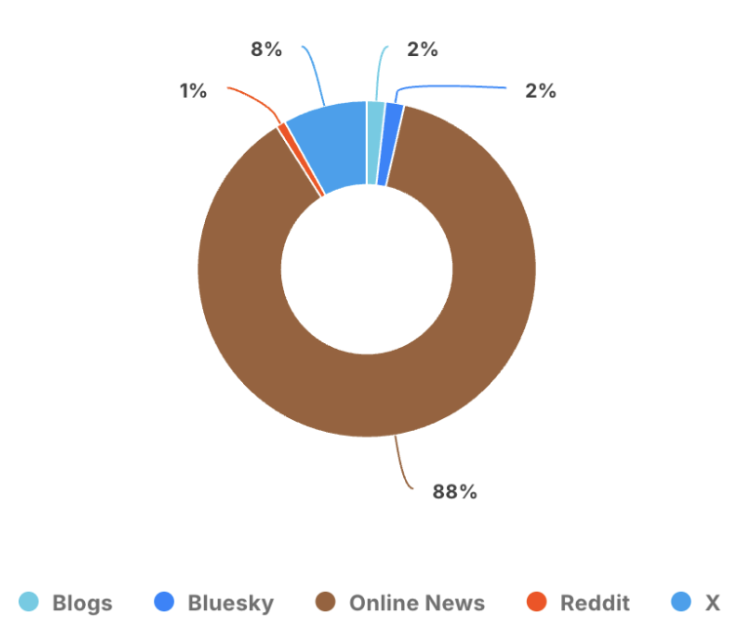
As seen in the chart, the major content sources mentioning the HDA are primarily online news. While these graphs are not showing HDA’s owned content, they still show that their social media activity is very minimal as they are not receiving many mentions, reposts or post interactions. Even in the news mentions, some are one-off or unrelated mentions that do not apply to the HDA brand. Overall, the HDA needs to work on developing more shared content through their media sources, and develop more earned media content through pitching, interviewing and content promotion.
Reputation Analysis
Although the HDA faces dwindling support from corporate sponsors in North America as a direct result of the U.S. Federal Government’s pullback in supporting D.E.I. initiatives, the sentiment from sports fans and the general public remains overall positive. Furthermore, news coverage from sites such as ESPN, The Edmonton Sun, and The Athletic typically focuses on the beneficial impacts the HDA has on the hockey community despite DEI attacks (Wyshynski, 2025).
However, the declining support from internationally recognized organizations such as Scotiabank Canada, Budweiser Canada and Kraft Heinz Canada results in a decline in recognition from the general public. Over the past year, there was a lack of news coverage, and the volume of content remained low, except for their fifth anniversary in August 2025. Additionally, due to the NHL and HDA separation, the HDA loses a large amount of recognition from sports fans. Despite these difficulties and obstacles, the general public, sports fans and athletes seem to understand and appreciate the importance of the HDA’s initiatives (McKenzie, 2025).
Reputation Analysis
Although the HDA faces dwindling support from corporate sponsors in North America as a direct result of the U.S. Federal Government’s pullback in supporting D.E.I. initiatives, the sentiment from sports fans and the general public remains overall positive. Furthermore, news coverage from sites such as ESPN, The Edmonton Sun, and The Athletic typically focuses on the beneficial impacts the HDA has on the hockey community despite DEI attacks (Wyshynski, 2025).
However, the declining support from internationally recognized organizations such as Scotiabank Canada, Budweiser Canada and Kraft Heinz Canada results in a decline in recognition from the general public. Over the past year, there was a lack of news coverage, and the volume of content remained low, except for their fifth anniversary in August 2025. Additionally, due to the NHL and HDA separation, the HDA loses a large amount of recognition from sports fans. Despite these difficulties and obstacles, the general public, sports fans and athletes seem to understand and appreciate the importance of the HDA’s initiatives (McKenzie, 2025).
Currently, the only corporate sponsors remaining with the HDA are CCM, Canadian Tire, and Jumpstart. CCM is a popular Canadian brand of ice hockey equipment within the NHL, producing player gear, fan merchandise, and goalie equipment. Canadian Tire is a popular department store in Canada that offers NHL apparel as part of its sales. Jumpstart is an American early education organization that focuses on helping disadvantaged preschool children prepare for kindergarten to succeed. Both CCM and Canadian Tire publicly support the HDA on their website and showcase a strong commitment to diversity. Jumpstart proves they have a strong commitment to the values of the HDA through their work with children, but they do not publicly state their affiliation anywhere.
Internally, there appears to be friction between NHL players and the HDA due to the HDA’s bold criticism of the NHL. Furthermore, Evander Kane and Cris Stewart departed from the HDA in 2023 due to expressed concerns about the organization’s leadership, objectives, and combative approach. The lack of cohesive support within the NHL complicates the HDA’s position and would weaken the organization’s potential (Sportnest, 2023).
Competition Analysis
Over the past four years, nonprofits centered around DEI-related initiatives within hockey have grown. Organizations such as Growth Opportunities through Athletics, Learning, and Service (GOALS), Hockey is For Everyone (HIFE) and You Can Play have developed in response to an array of DEI-related problems within the sport.
The Walt Disney Company developed GOALS in 1993, an organization for underprivileged children that provides developmental programs and opportunities to play hockey. The organization is based in Anaheim, but operates in three additional cities within California: Placentia, Fullerton, and Huntington Beach. GOALS is the worldwide leader in providing access to ice hockey for underprivileged children and the largest diversity program for the sport of ice hockey within the United States (Eyerly, 1995).
In 2017, the NHL and the You Can Play project partnered to create HIFE, a year-round campaign that supports non-profit hockey organizations and provides inclusive opportunities to youth. This campaign was created as part of a marketing effort for fans in minority and underrepresented communities. Unfortunately, some NHL players refused to participate in the campaign’s themed nights, leading to their removal and further backtracking efforts to promote inclusion. This decision to remove themed nights and specialty nights was incredibly controversial and, in consequence, has caused HIFE difficulties in its success. Furthermore, the story “Hockey is Not for Everyone” sharing racism Akim Aliu experienced within the NHL was released in 2020, and caused further backlash against HIFE due to claims that the organization is insufficient and does not do nearly enough in tackling racism and discriminatory behavior within hockey (Noguez, 2025).
You Can Play works to create a safe and inclusive environment for LGBTQ+ individuals participating in sports. Although not directly related to hockey, the organization was founded in memory of Brendan Burke, one of the first people in the world of hockey to come out to both his team and the public. The NHL has been an official partner of You Can Play since 2013, but the NHL has faced scrutiny over its responses to issues regarding homophobia. For instance, when player Ivan Provorov refused to participate in Pride Night, the NHL responded by eliminating themed nights. More recently, they banned players from using pride tape, which many considered to be another step backwards for the NHL.
Out of these three competitors, GOALS is by far the most successful and has faced the least amount of backlash, but it also focuses on a more niche crowd than the other two. Therefore, the HDA has the opportunity to target fans, coaches, and players facing diversity challenges who may feel they are not being adequately supported by organizations such as HIFE. Specifically, there is a lack of strong support for people of color within the hockey world, which would be an important audience for the HDA to target.
Research Questions and Secondary Research
(1) How has the HDA’s overall reputation changed since its founding in 2020? What events, people and trends have caused this reputation change?
(a) The major events that have caused small reputation and relevancy changes for the HDA are the slow decline in popularity of the Black Lives Matter Movement and the election of President Donald Trump, who has taken a strong stance against DEI language and programs.
(b) Overall, the HDA still maintains a positive reputation, with organizations like the Athletic and ESPN even saying they have overcome the obstacles that arise from current events.
(2) What is the overall effect of current public perception shifts surrounding DEI on the HDA and their overall mission?
(a) While the Trump Administration has had a large effect on DEI, public perception on the topic has not changed much. While Trump has gone after various industries, programs and schools for their DEI initiatives, those who originally supported organizations such as the HDA have seemingly maintained their position and support (Baehr, 2025).
(b) The HDA doesn’t seem to have the typical reputation problem of bad or good, but instead maintains pretty neutral but most importantly low impact. The HDA has significantly lost relevance after the “trend” surrounding diversity became less prominent in media. The HDA appears to have a hard time keeping themselves in the news cycle and at the forefront of hockey diversity.
(3) Is the HDA using social media and earned media to its potential? Where are they succeeding and where could they improve?
(a) No, the HDA is struggling to utilize both shared and earned media. On all platforms, the HDA has incohesive and low impact posts. Most of the posts on all platforms have very low impressions and even lower interactions. Also, from the earned media perspective, the HDA also appears to struggle with staying in the headlines. In the past year, the HDA has had very minimal mentions, and even fewer interviews and promotional mentions. Overall, the HDA needs to work on improving both their shared and earned media perspectives.
Recommendations and Conclusions
In conclusion, although the HDA’s commitment to their cause is visibly strong, changes to their social media and overall recognition must change in order to increase success. The number one recommendation for the organization would be a rebrand for social media platforms. With 24.4k followers, X is the HDA’s most followed social media site, and a platform frequently used by sports viewers. An increased use of this platform would allow supporters to receive updates about the organization and a larger presence. Although their website's overall design is sleek and easy to navigate, its lack of frequent updates to their news and sponsors sections, as well as unclear donation sites, significantly downgrades its effectiveness. The HDA’s marketing team needs to develop frequent postings on all social media accounts, especially focusing on viewer emotion and donation opportunities
SURVEY RESPONSE REPORT
Background of Survey
The Hockey Diversity Alliance (HDA) was founded to expand access to hockey by promoting diversity, equity, and inclusion (DEI), with a particular focus on underrepresented communities. The founders, current and former hockey players Evander Kane, Akim Aliu, Matt Dumba, and Nazem Kadri, believe an independent nonprofit organization committed to ending systemic racism in hockey is essential in making the sport more accessible to diverse communities (HDA). Since 2020, the HDA has used grassroots programs and developmental initiatives designed to bring youth from diverse backgrounds to hockey. The organization aims to challenge the traditional demographic profile of the sport and make hockey more accessible and equitable.
However, despite its commendable initiative and grassroots programs, the HDA currently faces a major public relations challenge. At a time when visibility matters most for DEI, as sports organizations and other advocates increasingly prioritize inclusion, the HDA is at risk of losing visibility, relevance, and funding as sponsors and supporters have begun to pull back. For example, Budweiser, Scotiabank, and Kraft Heinz have rescinded their support (McKenzie, 2025). Simultaneously, there is a growing societal backlash against DEI initiatives in some aspects of social media and sports.
Moreover, the problem is also about public skepticism of the HDA’s motives and effectiveness. After an unsuccessful attempt to formalize a partnership with the National Hockey League (NHL), the question arose whether the HDA could meaningfully connect with the broader hockey community. In our survey, the data reflects the challenge the HDA currently faces, as 85 of our respondents answered “no” when asked whether they have heard about the HDA; only 7 said “yes.” This substantial majority suggests that most of our sample perceives that the HDA has not succeeded in establishing itself as a trusted, effective force for diversity and inclusion in hockey. This sentiment amongst our survey respondents aligns with our observations of diminishing public interest and sponsorship and limited media coverage of HDA initiatives. In other words, despite the organization’s stated mission and early outreach efforts, many in the hockey community, or among our survey audience, perceive that the situation has not developed.
Research on DEI in hockey shows that the challenges facing the HDA exist within the sport as a whole. Historically, hockey has been dominated by white, affluent players, a trend that is reinforced by expensive participation costs, unequal access to ice rinks, and a lack of representation or role models in underrepresented communities (Lazerus, 2022). These challenges make long-term demographic change difficult, as simply providing grassroots or visibility initiatives is insufficient without institutional support, concrete funding, and a coordinated plan across leagues, sponsors, and other community organizations. Additionally, socioeconomic research shows that the families engaged in youth hockey increasingly change toward high-income groups as equipment, travel, and other ice-time expenses create major obstacles for lower-income families (English, 2018). These expenses continue to disproportionately affect marginalized communities within hockey as white players continue to dominate.
Additionally, the climate around DEI programs adds another layer of difficulty as sociological studies show that as diversity initiatives in sports become more visible, polarization increases, with some stakeholders perceiving DEI efforts as performative or unnecessary (Soule et al., 2024). Many fans have expressed belief that politics and diversity should remain out of sports; for example, Colin Kaepernick was “blacklisted” from the NFL due to his stance on Black Lives Matter (Serazio, 2019). This issue suggests that the environment in which the HDA operates is not only structurally challenging but also politically sensitive. Lasting impact will require outreach, long-term planning, and genuine connections across the hockey world. These insights also show why the HDA faces skepticism, declining sponsorship, and diminished confidence. Additionally, it shows why building trust requires a stronger organizational approach grounded in communication and measurable action.
Purpose of Survey
The purpose of this survey is to better understand why the HDA is struggling to maintain visibility, engagement, and credibility within the broader DEI sports community. Our earlier research, using social media analytics, showed significant gaps in the organization's media presence. Across platforms such as Instagram, Twitter, and Facebook, the HDA reached a very limited audience. For example, likes and shares were consistently low, follower growth was slow, and overall engagement was minimal. In addition, the organization was not consistently active on these media platforms, as their posting was irregular and didn’t gain much interaction. Additionally, much of the engagement surrounding HDA came from outside accounts, such as other influencers or organizations, rather than fans, which can suggest limited reach. These findings raised important questions for us about whether the HDA’s communication was resonating with their intended audience and what factors may have contributed to their diminished visibility.
Based on these issues and gaps, we focused our survey on audience-level insights that social media analytics alone couldn’t explain. While analytics did help us to identify preliminary issues such as low engagement, inconsistent communication, and limited reach, they could not explain exactly how people perceived the HDA’s actions or goals. Therefore, the survey seeks to explain the gap by collecting information about awareness of the HDA, perceptions of its initiatives, and beliefs on engagement and effectiveness of promoting DEI in hockey. By addressing these questions, the survey helps to identify actionable measures that can inform future PR strategies and guide the organization toward more effective engagement within the DEI sports landscape.
Research Questions
Research Questions:
RQ1: What influences college students’ perceived importance of DEI initiatives?
RQ2: How do levels of support for DEI initiatives among college students relate to different forms of social media engagement with DEI-related content?
RQ3: Which organizations are most well-known among college students?
RQ4: What are the perceptions of HDA for those who have heard about HDA?
RQ5: Which DEI organization is most active in DEI?
Research Question Analysis:
To guide our analysis, we developed a set of research questions focused on the major themes that stemmed from our survey interest. These themes reflect what we aimed to learn about the perceptions of DEI in general and in sports, their awareness of the HDA and its effectiveness in DEI, and how these factors relate to social media engagement and organizational impressions. Our first theme centers around the perceived importance of DEI. We restructured our research questions to explore the factors that might influence this perception (RQ1). From this, we developed more specific goals in order to develop the question relationships further. First, we wanted to investigate whether awareness of the HDA is related to perceived importance of DEI, which helps us to test whether knowing about DEI in sports organizations shapes attitudes (RQ1A). Additionally, we questioned whether political affiliation affects the perceived importance of DEI, which can help us see the differences amongst groups (RQ1B).
The second major theme focuses on social media engagement with DEI content. We revised our research question to align with the four different types of engagement represented in the survey (RQ2). This question allows us to see whether students who strongly support DEI differ from those who are less engaged in behaviors such as liking, sharing, following, or purposefully searching for DEI-related content.
Our third theme follows awareness of DEI-focused sport organizations, including the HDA. RQ3 allows us to understand the visibility and brand recognition of the HDA compared to similar organizations working toward DEI in sports. By identifying which DEI initiatives students already know and which ones they don’t, we can better understand gaps in awareness and where strategic communication may need to elevate the HDA’s presence among audiences. Additionally, we then formulated a question about the perceptions of the HDA based on those who have heard of it (RQ4). Our research questions investigated perceptions and awareness of HDA, which pushed us to develop further insights to encompass more of our interests. First, we wanted to specify how effective people believed the HDA to be (RQ4A). We then asked how often they encounter HDA content relative to other sports organizations and for those that had heard of HDA before (RQ4B), and what their perceptions of HDA’s efforts into DEI initiatives (RQ4C). Finally, our last research question (RQ5) shows which DEI organization students believe is the most active in DEI work, adding an insight into the perceived impact and awareness.
Population, Sampling Frame, and Sampling Method
The target population for this survey consists mainly of individuals aged 18-21 who have an interest in DEI and sports in some capacity. This population was selected because these groups are most likely to be aware of or affected by DEI initiatives in sports, as well as organizations such as the HDA. However, the accessible population was limited mostly to college students who could be reached through personal or university connections, which became our sampling frame. We sent the survey out to our own list of people within the age range. While some respondents may identify as sports fans, hockey fans, or DEI-engaged individuals, the sampling frame does not guarantee full representation of the broader target groups. To reach participants, we used convenience sampling, as mentioned above, from our own personal connections and snowball sampling by asking people to send the survey to others. While this allows us to gather responses efficiently, it also creates limitations, as the sample relies on voluntary participation and may overrepresent individuals who are more involved in social issues or more connected to our academic environment. Despite this, our sample provides a good look into college students' perceptions of DEI.
Participants and Survey Procedures
The survey conducted was created using Qualtrics, a survey software provided by Syracuse University. The initial goal was to reach out to at least 100 participants, and the goal was accomplished with a final response of 121. This gave us a solid foundation for analyzing the evidence collected and compiling it into useful data and information points for the HDA. After acquiring a sufficient amount of responses, we continued to sort through answers—examining similarities and differences among the represented demographics. The survey was released and opened to access on November 13, 2025, with the majority of the responses coming in the early third week of the month. We stopped collecting our responses on November 25, 2025.
Measures
Participants’ perception about the importance of DEI in sports and companies allows a company to decide the best way to both gain traction and outreach to their respective audiences. Some participants viewed the incorporation of DEI as a crucial aspect of a company’s brand, while others felt indifferent to its inclusion. The decision of how to properly include DEI and express it throughout a corporation depends on the audience’s demographics and the consensus of the audience, to ensure a positive response. The questions asked of the population utilized a Likert Scale to assess the perceived importance of DEI within an organization, specifically sports. There were a handful of questions that utilized the Likert Scale to decipher the perception of DEI importance, specifically for college students, for example: “How important is diversity, equity, and inclusion (DEI) in sports organizations to you?” Followed by possible answers: Not at all important, Slightly important, Moderately important, Very important, Extremely important. A low perceived importance created a hurdle: those who did not consider DEI to be an important factor in a sports organization were less likely to have known of the HDA or any adjacent organizations. In a similar essence, even when the perceived importance was high, the awareness of the HDA (results of such collected by a “Yes” or “No” question asking if they had heard of the company) was low among survey participants, which pooled only a small handful of the participants together, far less than the overall responses. It is worth noting that the amount of awareness of the HDA as a company cannot be directly related with a person’s perception of importance of DEI inclusion; the notability of the organization itself is less than widespread, making it difficult to determine is knowledge of the brand or lack-there-of is due to an apathetic view on DEI inclusion in sports, or inadequate marketing and presence from the organization itself. Still, participants, after indicating that they had heard of the HDA, were asked about their satisfaction and perceived usefulness of the organization's outreach. Participants were first asked about their perceived effectiveness of the HDA’s promotion of DEI. Optional responses were: not effective at all (1), slightly effective (2), neither effective nor ineffective (3), somewhat effective (4), extremely effective (5). Participants were then asked to respond with how much they agreed with the following statement: “I see HDA content on social media platforms more often than content from other sports organizations”. The options for responses were: strongly disagree (1), somewhat disagree (2), neither agree nor disagree (3), somewhat agree (4), strongly agree (5). Then, participants were asked to rate how much they agree, from the same scale, to three additional statements examining how clear and productive the HDA is.
We also measured how levels of support for DEI affect social media engagement. Participants were first asked how often they discussed DEI-related topics in sports with peers in person versus online. Their options for answers for both choices were: Very Often, Often, Sometimes, Rarely, Never. Directly following, participants were then asked what type of DEI-related content would most spark their engagement. Options included: Clear evidence that the initiative will result in real change; transparent communication; endorsement or active involvement by athletes; alignment of the initiative with my values or interests; opportunities for me to participate. Responses were: None at all (1), a little (2), a moderate amount (3), a lot (4), always (5). To further assess the behavior dependent on support and engagement, participants were asked how likely they were to Like, comment, or share a post on social media. The responses were: extremely unlikely (1), somewhat unlikely (2), neither likely nor unlikely (3), somewhat likely (4), and extremely likely (5). An additional measurement was finding popular brands that are well known within the college student population, giving us a baseline to compare to the HDA. Initially, participants are asked about national sports leagues. Participants were given a list of leagues, including the NFL, NHL, MLB, NBA, MLS, and asked to indicate by clicking either “Yes” or “No” whether they believed the organization should be held accountable for DEI performance. Next, participants dove deeper into the world of DEI in sports, focusing more in depth on specific diversity-inspired brands, rather than the sports and teams themselves. Participants were asked to select all of the given organizations oriented around DEI in sports that they had heard of. The options included: NHL, Growth Opportunities through Athletic, Learning, and Service (GOALS), Hockey Is For Everyone (HIFE), You Can Play, other (please specify), and I have not heard of any of the organizations above. This allowed us to gather further information on whether or not there was a distinction of apathy for DEI in sports, or a lost connection between the HDA and their audience regarding advertising and sharing their content.
Demographics of Respondents
To further display and interpret data gained from our Qualtrics survey, we used the Statistical Package for Social Sciences (SPSS), creating a series of graphs and tables that accurately represent our findings and research questions. The following 10 graphs and tables, as well as a frequency table (with data from our demographic survey questions), were created within SPSS and organized through Gemini.
Figure 1 is a frequency table that pulls data from DQ1 through DQ5 (our demographic questions. As seen below, a majority of respondents identify as female (77.8%), while a minority identify as male (18.9%) or non-binary/third gender (3.3%). As for political affiliation, a slight11 majority of respondents categorize themselves as Liberal (33.71%), followed by Democrat (27%), Independent (20.2%), prefer not to say (10.1%), Republican (4.5%), and Conservative (1.1%). A majority of respondents identified as White (77.5%), followed by those who preferred not to say (7.9%), Hispanic or Latino (4.5%), Black or African American (4.5%), Asian (4.5%), and Native American (1.1%). A majority of respondents were ages 18 to 21 (94.4%), followed by 22-25 (3.4%), 26-29 (1.1%), and 30 plus (1.1%). A majority of respondents estimated college graduation year is 2028 (50.6%), followed by 2027 (24.7%), 2026 (18%), 2029 (4.5%), and other (2.5%).
Descriptive Statistics
Eight out of 11 graphs produced from Qualtrics data are used for descriptive statistics. These focus on frequency and percentage to describe key responses to seven meaningful survey questions from the sample. Figure 2 is a bar graph that summarizes data from the multiple-choice question Q6: “How important are DEI-related conversations in sports among people your age?” The majority of respondents said that these conversations are somewhat important. More respondents believe DEI-related conversations are somewhat important to very important than somewhat unimportant to not important. This bar graph helps to answer RQ1: “What influences college students' perceived importance of DEI initiatives?”
Figure 3 summarizes data from the matrix table (Likert) question Q4: “What type of DEI-related content on social media most encourages your engagement?” A majority of respondents (40.2%) said alignment of the initiative with the respondents' values or interests encourages their engagement a lot, followed by a moderate amount (25.5%). A majority of respondents (32.4%) said clear evidence that the initiative will result in real change encourages their engagement a moderate amount, followed by a lot (28.4%). A majority of respondents (34.3%) said transparent communication encourages their engagement a moderate amount (34.35), followed by a lot (30.4%). A majority of respondents (36.3%) said endorsement or active involvement by athletes encourages their engagement a moderate amount, followed by a lot (32.4%). A majority of respondents (30.4%) said opportunities for them to participate encourages their engagement a moderate amount, followed by a little (26.5%). Based on this data, the HDA should prioritize these factors to boost engagement rates in the following order: alignment of the initiative with targeted audiences' values or interests, endorsement or active involvement by athletes, transparent communication, clear evidence that the initiative will result in real change, and finally, opportunities for the targeted audience to participate. This table helps to answer RQ2: “How do levels of support for DEI initiatives among college students relate to different forms of social media engagement with DEI-related content?”
Figure 4 is a bar graph that summarizes data from the multiple-choice question Q16: “How much do you agree with the following statement: I see HDA content on social media platforms more often than content from other sports organizations?” The majority of respondents somewhat agreed with the statement, followed by strongly disagree, and strongly agree. This bar graph helps to answer RQ3: “Which organizations are most well-known among college students?”
Figure 5 is a pie chart that summarizes data from the multiple-choice question Q14: “Have you heard of the Hockey Diversity Alliance (HDA) before?” A large majority of the respondents said no. This pie chart helps answer RQ3: “Which organizations are most well-known among college students?” and highlights the need for the HDA to increase visibility and name recognition among the general public.
Figure 6 is a bar graph that summarizes data from the multiple-choice question: Q15: “How effective do you think the HDA is at promoting diversity, equity, and inclusion (DEI) in hockey?” The majority of respondents said neither effective nor ineffective, followed by slightly effective, not effective at all, and somewhat effective. This bar graph helps to answer RQ4: “What are the perceptions of HDA for those who heard about HDA?”, and shows that the HDA’s effectiveness does not have much visibility to the public.
Figure 7 summarizes data from the matrix table (Likert) question Q17: “HDA's Independence: Choose how much you believe these statements are reflective of the HDA (5 being strongly agree, 1 being strongly disagree).” An equal number of respondents (28.6%) strongly agree, neither agree nor disagree, and somewhat disagree that the HDA leads DEI efforts. A majority (42.9%) of respondents neither agree nor disagree that the HDA expresses its own identity, followed by strongly agree (28.6%). An equal number of respondents (28.6%) strongly agree and somewhat agree that the HDA maintains DEI focus. This table helps to answer “RQ4: What are the perceptions of HDA for those who heard about HDA?”
Figure 8 summarizes data from the matrix table (Likert) question Q2: “Should the following sports organizations be held accountable for DEI performance?” A large majority (over 91%) of respondents said that all sports organizations listed (NFL, NHL, MLB, NBA, and MLS) should be held accountable for DEI performance. This table helps to answer RQ5: “Which DEI organization is most active in DEI?”, and shows how audiences will hold sports organizations accountable for their DEI performance, and therefore, the HDA should prioritize this factor.
Figure 9 summarizes data from the multiple-choice question Q18: “Select all of the following Sports-DEI-oriented organizations that you have heard of.” A majority (52.4%) of respondents had heard of the NHL, but 27.6 of respondents had not heard of any of the organizations listed. This table helps to answer “RQ5: Which DEI organization is most active in DEI?”
Subgroup Analysis
The following three graphs examine group differences, focusing on statistical comparison. Figure 10 shows a T-test done between the matrix table (bipolar) question Q13: “How likely are you to share or repost DEI-related sports content that aligns with your personal values? (1 being not likely at all, 5 being very likely)” and the multiple choice demographic question DQ1: “What is your gender?” From this test, we found that results are not statistically significant, gender does not determine the likelihood of someone to share or repost DEI-related sports content that aligns with their personal values, and that the HDA should tailor posts to all genders and focus more on the shareability of their content. This helps answer the research question RQ2: “How do levels of support for DEI initiatives among college students relate to different forms of social media engagement with DEI-related content?”
Figure 11 shows an F-test done between the multiple-choice question Q1: “How Important is DEI in sports organizations to you?” and the multiple-choice demographic question DQ1: “What best matches your political affiliation?" From this test, we found that the more left-leaning someone is, the more they tend to care about DEI in sports organizations, but limited data makes it difficult to determine right-leaning perspectives and that the HDA should target democratic populations. This helps answer the research question RQ1: “What influences college students' perceived importance of DEI initiatives?”
Figure 12 shows a cross-tab analysis done between the multiple-choice question Q6:“ How important are DEI-related conversations in sports among people your age?” and the multiple-choice question DQ7: “How likely are you to engage (like, comment, or share) with a social media post about DEI issues in sports?" From this test, we found that although the data isn’t consistent, most of the time, if DEI-related conversations in sports among people in an age group are important, the person is more likely to create a social media post about DEI issues in sports. The HDA should target age-grouped audiences that view DEI in sports as important to increase engagement on posts. This helps answer the research question RQ2: “How do levels of support for DEI initiatives among college students relate to different forms of social media engagement with DEI-related content?”
Summary of Key Findings
1. Most participants value DEI content that demonstrates real change and clear communication of the organization’s values.
A majority of respondents (40.2%) said alignment of the initiative with the respondents' values or interests encourages their engagement a lot, followed by a moderate amount (25.5%). A majority of respondents (32.4%) said clear evidence that the initiative will result in real change encourages their engagement a moderate amount, followed by a lot (28.4%). A majority of respondents (34.3%) said transparent communication encourages their engagement a moderate amount (34.35), followed by a lot (30.4%).
2. The majority of college-aged participants have not heard of the HDA.
Participants said they had never heard of the HDA before, and only seven participants had. This demonstrates that the HDA’s visibility is overall very low amongst college students, even among many of those who value DEI in sports.
3. The HDA’s promotion of DEI in hockey is not effective enough to reach college-aged students.
From Q15: “How effective do you think the HDA is at promoting diversity, equity, and inclusion (DEI) in hockey?” The majority of respondents said neither effective nor ineffective, followed by slightly effective, not effective at all, and somewhat effective. This shows us that most students are indifferent to the HDA’s content, and a majority do not know enough to hold an opinion on it.
4. The HDA’s target demographic is most likely to be politically liberal and democrat leaning.
In the F-test we conducted between Q1: “How Important is DEI in sports organizations to you?” and the multiple-choice demographic question DQ1: “What best matches your political affiliation?" We found that the more left-leaning someone is, the more they tend to care about DEI in sports organizations. This is important for the HDA to consider as they create their content and aim for certain publics. They should be sure to target the ones that are most likely to have a prior interest in DEI within sports.
5. The HDA should target audiences who find DEI in sports important because they are more likely to engage with their content.
In the cross-tab analysis done between the multiple-choice question Q6:“ How important are DEI-related conversations in sports among people your age?” and the multiple-choice question DQ7: “How likely are you to engage (like, comment, or share) with a social media post about DEI issues in sports?" From this test, we found that although the data isn’t consistent, most of the time, if DEI-related conversations in sports among people in an age group are important, the person is more likely to create a social media post about DEI issues in sports.
Limitations
There were many limitations to the survey that we conducted. The primary limitation we faced was demographic, as we targeted all college students but shared the survey mostly with our peers or direct connections. Because we only shared the survey with our friends and campus connections, the data was skewed to favor certain demographics that we associate ourselves with, for example majority of our participants were left-leaning politically, which meant we did not have a great grasp on the republican population and their feelings towards the HDA. Another limitation of our survey was the general limited awareness of the HDA. Because not many survey participants had heard of the HDA before, it was difficult to receive sufficient data surrounding the organization and their overall impact on their community. Overall, this last limitation did give us insight into the fact that the HDA is largely unknown to college students, but it did make it difficult for us to have data on more specific questions surrounding the HDA’s media presence.
Key Insights
1. The HDA should increase consistency in social media communication.
From our last report focused on social media analytics, we learned that the HDA has inconsistent posting rates on their social media and averages very low on engagement. From this report, we learned that very few college students engage with HDA content or are aware of the organization in general. From these two reports, our key recommendation is to increase posting on social media with clearer, cohesive messaging. Our survey participants made it clear that they value content that shows initiative and effort towards a goal and clearly communicates its mission. To align with this, the HDA should post social content with fewer words and demonstrate action to appeal to those who are interested in DEI on social media.
2. The HDA should target audiences who already value DEI in sports.
From our survey, specifically our crosstab analysis, we learned that those who already have an interest in DEI in sports are more likely to interact with sports content online. With this information, we recommend the HDA start creating content and targeting sources that appeal to those interested in DEI and sports, respectively. By targeting these publics, the HDA will have greater success in increasing engagement and overall public perception.
3. The HDA should close the awareness gap by prioritizing placements that matter.
As we saw in the survey report, the majority of our participants were not aware of the HDA. The primary way to fix this is for the HDA to prioritize earned media and specifically target publications that are more likely to cover stories about sports, DEI, and DEI within sports. By focusing on earned media in publications such as The Athletic and ESPN, the HDA will reach a wider variety of sports fans and thus gain a greater interest from the sports community. Along with sports publications, the HDA can build awareness by reaching out to publications that frequently cover DEI topics, such as the New York Times, so that they can reach both sports and DEI fans.
4. The HDA should integrate more activist-focused messaging.
Our survey participants told us that they value DEI-driven content that shows real action and initiative. HDA’s social media is currently dedicated to promoting events for the HDA as opposed to showing collective action for the success of DEI in sports. To align more with what audiences value, the HDA should work to create content that shows off its commitment to DEI via fundraisers and other forms of support. By doing instead of saying, the HDA can connect much closer with its audience and prove itself to be an exemplary organization in the DEI/sport industry. Furthermore, the HDA should make use of its owned media by improving its website and possibly starting a newsletter surrounding DEI in sports to show that it is an information source for DEI in sports fans, as opposed to just an organization that runs occasional events. By making itself into an information source, the HDA can show that they care deeply about its cause and aims for impact over excuses.
5. The HDA should distinguish itself from its competitors by utilizing athlete-led positioning.
Our last recommendation and key insight for the HDA is informed by our survey participants being more familiar with the missions of the HDA’s competitors compared to the HDA itself. To help distinguish itself from its competitors, the HDA should focus on its biggest strength, which is the fact that it is run by hockey athletes who have been directly affected by DEI in hockey. By making this strength clear through athlete-led positioning and content, the HDA will be able to distinguish itself from its competitors and solidify its place in the DEI in the sports industry space.
Conclusions
The survey we conducted highlights many key insights for the HDA to consider in any and all future campaigns. Firstly, publics that are already interested in DEI are a key target for the HDA as they create their social media and target certain earned media publications. By focusing on audiences that already value DEI, the HDA will have more success with increasing its engagement and establishing a strong standing within its target industry.
Additionally, the survey provided various other issues to consider, especially surrounding the HDA’s relevance among college students. Our primary recommendations are based on the results that showed very limited engagement with the HDA among college students, which can be easily fixed through action-oriented content and cohesive messaging. By increasing its overall content frequency and targeting the correct audiences with brief and clear communication, the HDA will have more success with increasing its relevance and having an impact on its target publics.
SOCIAL MEDIA ANALYTICS REPORT
PR Problem
With its founding in June 2020, the Hockey Diversity Alliance (HDA) brought new insights to Diversity, Equity, and Inclusion (DEI) in hockey across North America. The organization aimed to “foster inclusivity, combat discrimination and advance diversity within the hockey community” (Hockey Diversity Alliance, 2020). However, with its separation from the National Hockey League (NHL) in October of 2020, the pressure to stand alone as an organization and increase its visibility has proved to be a major struggle for the HDA. When searching for hockey-related information on sites online, users are often pointed to the NHL or other competitors before the HDA. With increased competition from other hockey-centered non-profits such as Growth Opportunities through Athletics, Learning and Service (GOALS), Hockey is For Everyone (HIFE) and You Can Play, the HDA has struggled with overall retention and recognition by hockey fans around the country. The non-profit hockey market was already small after the BLM movement in 2020, and the creation of these new organizations has only made it smaller and more difficult for the HDA to have a solid impact. The problem focuses on Independence as an organization, with wide-ranging support from hockey fans in separation from the NHL, as well as financial stability.
With increasing competition within DEI and hockey-related organizations, social media is becoming more important than ever, proving to be a main source of information for a large majority of citizens today, especially in younger generations. In the United States, 53% of adults say that they get the majority of their news and information from social media, especially from Instagram, TikTok, and X (Pew Research Center, 2025). HDA does have accounts on all three of these platforms, but they are hardly updated and not used to their fullest potential. The HDA’s overall lack of social media presence, recognizability, and use of credible influence has created difficulty in other important strategic areas, such as fundraising. Without significant change to social media strategies and overall platform use, the HDA will not be able to improve as a non-profit organization overall.
Useful Social Media Insights
Social media information and insights provide the Hockey Diversity Alliance (HDA) with critical tools to understand public perceptions, measure the impact, and adjust its strategies. By monitoring sentiments, impressions, and engagement, the HDA can gauge reception of its campaigns, such as grassroots programs, which allows the organization to protect its reputation and proactively manage potential crises. Tracking conversations helps reveal issues before they escalate, while competitor analysis shows how audiences engage with different organizations and can be used to inform the development of new tactics. Metrics like reach and engagement show which messages and/or content ideas resonate most with target audiences. These insights not only evaluate the effectiveness of campaigns but also allow strategies to be changed in order to have the greatest impact. Additionally, social listening helps the HDA see new trends, hashtags, and influencers who can spread their mission.
The chart shows the HDA social media performance across four major platforms: Instagram, Twitter (X), Facebook, and TikTok. The data shown in the graph dates from January 1, 2024, to the present. Additionally, not all posts received likes, comments, or shares. For X (Twitter), instead of the number of shares, the number of retweets was measured.
Instagram emerges as the strongest platform in terms of engagement. With 12,800 followers and 287 posts, the HDA averages over 300 likes, nine comments, and 21 shares per post (HDA, Instagram). This suggests that Instagram is especially effective for connecting with its target audience of youth players and teenagers. Compared to other platforms, the high interaction levels indicate that their content is connecting with their audience. However, in comparison with similar programs, the HDA levels are low.
Twitter (X) has the largest following, at 24,300, and the highest posting frequency, with 1,057 posts. However, engagement per post is significantly lower than on Instagram, averaging 65 likes, four comments, and 10 retweets (HDA, X). Most of this engagement is received in the form of likes and retweets of content posted by others, rather than original engagement. This shows that Twitter is primarily useful for amplifying messages and raising awareness through sharing rather than fostering deep, sustained engagement.
Facebook has the smallest following, at 2,300, and the fewest posts, at 115. Engagement on this platform is very low, averaging 23 likes, less than one comment, and two shares per post (HDA, Facebook). The low numbers are partly due to infrequent posting. Like X, much of the HDA’s Facebook interactions come indirectly through posts made by external accounts, such as TSN or professional hockey players.
TikTok is the HDA’s least performing platform with 44 followers and an average of seven likes, 11 comments, and less than one share per post (HDA, TikTok). The account only has seven posts, which shows a lack of effort to gain visibility. The HDA can try to solve this issue by utilizing the platform and exploring upcoming trends.
Altogether, the graph demonstrates that Instagram is the most effective platform for direct interaction, Twitter is best for reach, and Facebook and TikTok are the weakest in terms of engagement due to low levels of posting. These insights suggest that the Hockey Diversity Alliance should prioritize Instagram for building community while also trying to build its outreach on other platforms.
Social Media Analytics
Conversation Volumes Over Time
The conversation volume over time shows how many people have talked about or mentioned the HDA since its founding in 2020. Overall, the graph shows 86k total mentions with 36,000 unique authors. This ratio is not detrimental, yet typically, one wants at least 50% of total mentions to be from unique authors, so the ratio of 36/86 could be improved. The first small spike of the graph is June 01, 2020, when the formation of the HDA is officially announced. The spike climbed to its peak in August of 2020, when the HDA made an official statement calling for the NHL to suspend the playoff games due to the death of Jacob Blake, a Black man shot by police in Kenosha, Wisconsin (CBS News). This statement from the HDA caused a peak of media attention, with over 25,000 mentions. The spike drops but stays relatively high in October of 2020, when the HDA makes a statement that it will be operating separately from the NHL, creating its own independent brand image separate from the NHL. The next spike in mentions is in January of 2022, when the HDA launches the Tape Out Hate campaign sponsored by Budweiser Canada. These mentions mainly include the campaign’s tagline, “Racism Has No Place in Hockey,” which gives the HDA a clear and cohesive mission surrounding this campaign. There are three smaller spikes after January 2022, including in May 2022, for mixed reasons. These include Matt Dumba’s receival of a highlight from the NHL and some criticism from the general public about whether or not diversity is really an issue in hockey November 2022, when Isaiah Meyer-Crothers (an alleged victim of racist bullying in the NHL) released a statement in connection with the HDA, and July 2023, when Evander Kane officially parted ways with the HDA and Akim Aliu released a statement saying he felt betrayed by the NHL who had just launched its Player Inclusion Coalition. After July 2023, overall mentions for the HDA have dropped significantly, as there is no recent news about the HDA to keep them active in the media, creating opportunities to work on events and earned media work.
Top Hashtags
To the right is a chart of the top 15 hashtags relevant to the HDA found from Brandwatch. The top three hashtags include #tapeouthate, #NHL and #hockey. #tapeouthate is the number one hashtag, a very good sign for the HDA, as it is their own campaign that drives their message. The #tapeouthate has 7,738 total tweets and 81,374,476 impressions, meaning it reaches millions of people regardless of how they interacted with it. The following tweets are the most relevant uses of #tapeouthate:
As seen in the above tweets, #tapeouthate is most commonly used during the peak of the campaign and specifically when calling out racism in hockey, as the campaign’s message states. Because it is such a unique campaign name, there is no other relevant context in which #tapeouthate is used.
#NHL is the second top hashtag, which is less of a good sign, considering that the HDA separated itself from the organization in October 2020. # NHL has 2,337 total mentions in relation to the HDA and 15,409,243 total impressions. The following tweets are the most relevant uses of # NHL in connection with the HDA.
The above tweets are the primary ways in which #hockey is used in relation to the HDA. One way is in general mentions or explanations of the HDA’s overall mission, and the other is as a media tactic to make a post trendy and appear at the top of searches and pages. #hockey is a very basic and broad hashtag, but it is good for the HDA because it will always reach more feeds that maybe have not been reached with other, less trendy hashtags.
Trending Topics
The trending topics are NHL “late to the party” with activism, Trinity Bellwoods, the HDA in general, Racism in hockey through Black History Month, and the HDA’s events, WinterFest and SummerFest. Some of the fading conversations include specific players such as Akim Aliu, Nazem Kadri, and Willie O’Ree.
Location-wise, some of the major trending topics are in the USA, especially when discussing the HDA’s relationship with the NHL and the organization’s overall activism. The major topic shift in the US compared to other areas is discussions of the NHL’s executive Kim Davis mentioning how the NHL is making progress in response to the HDA’s callout on their lack of action. The HDA’s other major location base is Canada, which leads in more location-specific topics like Winterfest and Trinity Bellwood, an event and location that are in Canada. Canada seems to be where a lot of the HDA’s events are held, which is why the Canadian trending topics are more event-specific as opposed to activism and mission-specific, like the USA.
From a sentiment standpoint, positive sentiment does not come up very often because of the nature of the trending topics, including racism and hate, which are considered more “negative” sentiments even if the context is positive. Because of this, neutral and negative sentiments lead the trending topics, with neutral being much more present in the Canadian posts about events, and negative being much more present in the USA posts about activism and racism (which are not actually negative but instead serious topic discussions).
Overall, the trending topics for the HDA are very relevant to their brand and consistent with their message, as their events, activism, and relationship with the NHL are all very active in their brand identity. The major locations for trending topics are the USA, which focuses on activism, and Canada, which focuses on HDA events, all of which may appear more neutral and negative in sentiment but are actually relatively positive upon further investigation. The HDA’s trending topics are very successful for their brand, with hockey and hockey players leading in their topics wheel and branching off into their more specific topics of activism and event running.
The above posts show the primary two ways in which the HDA is referenced with the hashtag #NHL. On one side, the news of the HDA splitting from the National Hockey League (NHL) is a major use of # NHL. Some other posts include users “calling out” the NHL for its lack of action. Either way, # NHL is receiving more use in relation to the HDA than #hda or #hockeydiversityalliance, which is a media situation that could be improved considering the two companies’ relationship.
The third most used hashtag is #hockey, which has 1,160 total uses connected to the HDA and 961,491 total impressions. This hashtag is relevant and deeply connected with the HDA since it is rooted in hockey, making it a good sign that it’s a top hashtag for the company. The following posts are the most relevant uses of #hockey in connection with the HDA:
The main driver of the HDA’s engagement is in the form of likes and retweets from content posted by players and other sports accounts such as TSN, NHL teams, and Bardown. This shows that Twitter is primarily useful for amplifying messages and raising awareness through sharing rather than fostering deep, sustained engagement. The main driver of their Twitter engagement comes not from original posts, but from likes and retweets connected to content shared by players, media outlets, and major sports accounts such as TSN, NHL teams, and BarDown. A closer look at this retweeted content shows that posts tied to well-known players or large media brands tend to generate the most interaction and engagement. For example, Retweet 1 shows a tweet from the account “Linz_Hamilton” that mentions the HDA Winterfest event from February 3rd, 2024 (X). This post, which was retweeted by the HDA, has 389 likes and 110,000 views, which is a major increase from the original content posted by the HDA. Additionally, Nazem Kadri, who plays with the Calgary Flames, tagged the HDA in one of his tweets, which gained 289 likes and 28,600 views (Retweet 2) (X). This suggests that the account’s visibility and reach are heavily dependent on the credibility and audience size of these external voices. In other words, their engagement is driven primarily by network effects: the broader the reach of the accounts retweeting or liking their posts, the greater the overall impact.
On the other hand, the HDA does have highly interactive posts. Retweets Three and Four were listed as top ten retweets from HDA by Brandwatch. For example, their “#Tapeouthate” reached a large portion of their desired audience as it was one of their best-performing tweets (Brandwatch). This indicates that despite other accounts greatly influencing their coverage and reach, the HDA does have the ability to engage with others and have its own sense of interaction and engagement with its followers and other accounts.
Influencers
The most influential individual posting information regarding the HDA in “Anonymous” on 4channel.org, with 606 mentions. However, this website appears to be either inactive or rebranded as a Japanese cultural blog, making it nearly impossible to locate the original posts. The lack of recognition and traceability further demonstrates the inconsistency and diminished the credibility of an identifiable influence. The second most influential individual is the Reddit user toronto_news. Despite the volume of mentions, this site is not widely recognized as a reliable news source, and this user is no longer active. Again, an overall lack of credibility further damages the opportunity for a reliable social media presence. The most consistently used social media outlet posting HDA-related information is Twitter, in which the HDA’s personal account has the greatest following over all its platforms. However, Twitter’s most influential individual posting about the HDA other than the official account is user PaviKhunkhun. With only 168 followers, it is unclear who this user is and what their relationship to the HDA entails. This user has a reach of 8,783, a substantial number in comparison to others. The posted content tends to be overall unrelated to the HDA’s goals and more to hockey as a sport, and includes personal statements. Overall, the HDA’s limited and inconsistent social media presence in10 relation to influences and accounts other than their own emphasizes the need for a more targeted communications approach.
Word Cloud
Unsurprisingly, some of the most common words represented in the word cloud presented are names referring to the founders of the Hockey Diversity Alliance. Such names include Matt Dumba, Akim Aliu and Evander Kane. However, when delving deeper, words more associated with the organization’s message stand out. For example ‘George Floyd’-- The HDA was founded after the murder of George Floyd, and in the midst of the Black Lives Matter movements. The company aimed to combat ‘racism in hockey’, another term present in the cloud.
We are able to see that most of the words and terms associated with the HDA can be found straight from their website– indicating that not much outside input is included in audience perception. The main focal point is directly from the source, meaning that personal opinions are most likely not being made.
Sentiment Over Time
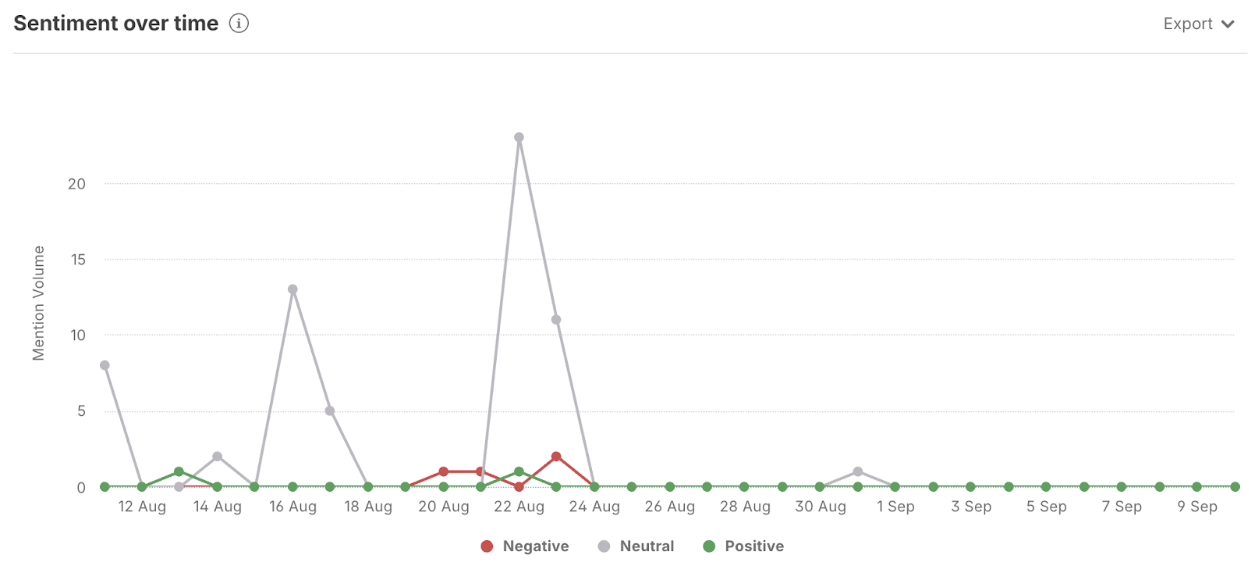
The sentiment over time has remained relatively steady, with all sentiment types spiking as conversations spike. The high neutral spike comes from when the HDA officially requested the NHL to suspend its games, as mentioned in the volumes section. The only two times when negative sentiment appears significantly higher than positive and neutral are January 2022, which are not negative towards the brand but instead towards racism in hockey, for example, the following three posts are all taken from January 2022:
As seen in these three posts, the seemingly negative sentiment around the HDA is actually positive, as they all quote some version of the HDA’s primary catch phrase, “Racism Has No Place in Hockey”. The one other time that the HDA had a more negative sentiment than positive or neutral was in November 2022, when Isaiah Meyer-Crothers released a statement about the racist bullying he faced in the NHL. The majority of the mentions that are considered negative are more neutral, mostly discussing Meyer-Crothers’s letter and status with the NHL.
For positive sentiment, it is overall consistent as it spikes along with negative sentiment at peak mentions. The highest positive spike was in June of 2020 when the HDA first launched, with other smaller positive spikes during events like the Tape Out Hate campaign. The following posts are the most relevant and consistent styles in which the HDA’s positive sentiment is detected:
Overall, the HDA’s sentiment over time has been very consistent and expected. There have been no significant spikes in negative sentiment without positive sentiment to match, and as seen in the analysis, many of the negative sentiment areas are mislabeled as they talk about the HDA’s activism with racism and prejudice, which are considered “negative” words regardless of context. The HDA’s sentiment is majority positive or neutral, but is limited as their overall media reach stays small.
Google Trend Analysis
As seen in the chart above the Hockey Diversity Alliance (HDA) does not garner a lot of search queries to begin with, and when paired against competitor National Hockey League (NHL), the interest is abysmal. The trend time has been stretched to five years to try and compensate for the lack of information, however, still, the analytics are next to nothing. The NHL has a consistent history of searches, with peaks and falls, but the HDA struggles to retain any interest, with its only significant peak being in early to mid 2020, which barely surpassed some of the NHL’s lowest charted interest points.
Related queries to the Hockey Diversity Alliance, stem directly from the initially used words. Most queries add additional details to the company itself, either abbreviating the title (HDA) or looking into merchandise for the organization. This leads us to believe that the Hockey Diversity Alliance is on its own island of information and is cut off and/or separated from other areas of inquiry.
In comparison to the HDA, the NHL has a plethora of related queries that expand outside just the realm of its sole organization. Searches reach out to programs put on by the company, such as all-star games, and expanding outside of North America to a more global audience. The lackluster trends show that despite effort from the company, the HDA is not a public name, and aside from individuals previously knowing about it, and searching it up specifically, it isn’t reaching audiences.
Qualitative Analyses of Social Media Posts
The HDA has accounts on Instagram, Twitter, and TikTok. This qualitative analysis focuses on the Instagram account, which has 12.8k followers and 290 posts. The account posts relatively frequently, but is inconsistent over time. For example, there was a large burst of posts (23) in August, but only one post in June. Although varied, each post tends to receive around the same amount of engagement. Out of the types of content posted (reels, infographics, and photos), reels receive the most amount of engagement. Posts that do exceptionally well (over 1k likes) are all collaborative reels that the HDA does not own. Most of the successful content is focused on either promoting or recapping events the HDA holds and featuring hockey players.
Successful Instagram Posts
These are three examples of successful content posted by the HDA on Instagram over the past year. The first reel was posted on July 31, 2025 that promoted the HDA Summerfest, which is a community event held in Toronto, Canada. This reel received 387 likes, 16 comments, and 69 shares. The second photo slideshow was posted on November 25, 2025 and shared an article written by the Toronto Star featuring a learn-to-skate program hosted by the HDA. This post received 369 likes, 4 comments, and 23 shares. The third infographic slideshow was posted on August 6, 2025 and promoted their Grassroots Original Hockey League through facts about the lack of accessibility children have to hockey. This post received 444 likes, 15 comments, and 53 shares. All three of these posts were promoting something: whether it be an event or a program. Additionally, the visual appeal is easy to read and look at and the captions clearly state a call to action.
Unsuccessful Instagram Posts
These are three examples of unsuccessful content posted by the HDA on Instagram over the past year. The first graphic was posted on December 20, 2024 announcing the 2025 HDA Calendar. This post received 35 likes. The second graphic was posted on December 25, 2025 wishing their followers happy holidays. This post received 45 likes. The third reel was posted on August 28, 2025 in collaboration with Time To Dream Foundation (@ttdfoundation), thanking them for being a sponsor of Summerfest. This reel received 37 likes, 2 comments, and 4 shares. All three posts lacked real humans in the posts, and were not promoting an event. Additionally, the two graphics are visually unappealing and are not well designed. These posts reveal the underlying theme that the HDA’s posts do significantly better when there are either pictures or videos posted, and when they are promoting an event.
Takeaways and Recommendations
Overall it is extremely clear that significant change to the HDA’s social media strategies and presence must change in order to see increased productivity and credibility. Our team had a difficult time locating information regarding certain social media categories, such as sentiment, showing the lack of steady posts about the HDA. The number one most valuable change to the HDA’s social media would be an increase in posts. Their current limited presence results in inconsistent credibility and recognizability. Many users online have not even heard of the HDA and influence is very weak. An increase in media will allow for valuable content to reach more users and become more popular in search results and page activity. One way to do this is to include more hashtags on posts to reach more specific and targeted users. Retweets and shares by other pages, especially those with a large following mass, can allow social media platforms to see what information is most popular and help broadcast posts to a larger amount of accounts. However, without consistent posting from an original account, this is nowhere near possible. The HDA must significantly increase activity on social media platforms, especially on accounts with higher followings such as X, in order to become more successful online.